


PineDrama - Short Dramas review
 Analysis by GetAllApps
I approach PineDrama as a focused way to watch short-form scripted stories, rather than as another general video feed. Its appeal is easy to understand: when I have a little time and want a plot with characters and a continuing story, it offers a different kind of viewing from endlessly scrolling through unrelated clips. That narrow purpose can make it a welcome entertainment app, though it also means it is not a substitute for every kind of video service.
Finding a story without getting lost
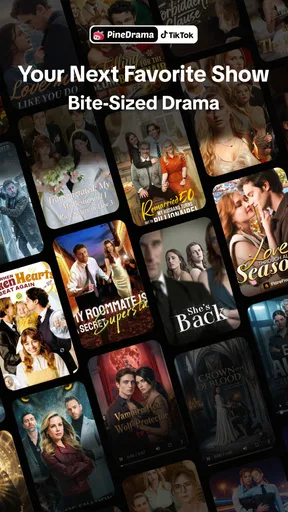
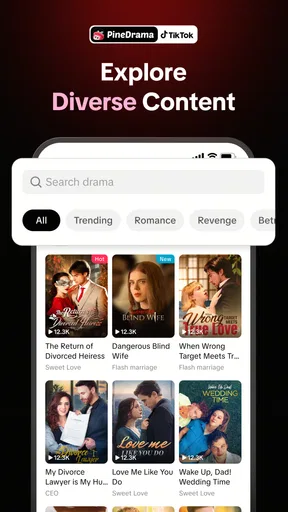
The app’s identity is straightforward: PineDrama is an entertainment app from TikTok Pte. Ltd. built around short dramas and movies. I like that premise because it gives a viewer a clear starting point. Rather than opening a broad platform and hoping to find a complete narrative among comedy clips, livestreams, and recommendations, I can come here with the intention of watching fiction.
That focus is useful for people who prefer a story to a feed of disconnected moments. Short episodes fit small gaps in the day, and a continuing plot gives those minutes a sense of direction. The trade-off is that “short” does not necessarily mean effortless: if a series leaves a plot thread hanging, the natural response is to watch another instalment, and a quick break can stretch longer than planned.
At the time of this review, version 47.4.3 is listed for Android devices running version 6.0 or later. The app is free to install, and its Teen age rating is a useful first signal for families deciding whether to look more closely. I would still encourage parents to make that decision based on the actual shows and the young person’s maturity rather than treating an age label as a guarantee that every title will suit every viewer.
The app has a 4.6 average from around 449,000 ratings, with more than 6,000 written reviews and over 50 million installs. Those figures suggest that it has found a substantial audience, but they cannot tell me whether its particular dramas match my taste or whether the viewing style works for me. I would use them as context, not as a reason to skip trying a few episodes myself.
Readable viewing is only part of the experience
For readability, the most important question is not simply whether text can be seen on screen; it is whether I can follow dialogue, expressions, and plot details on the device I actually use. Short dramas often move quickly, so watching on a small phone from a comfortable distance may be less tiring than holding it close. If visual details or on-screen text are difficult to make out, a larger screen may be a better choice when available.
I would also pay attention to the conditions around me. Glare, dim lighting, and a bright display in a dark room can all make sustained viewing uncomfortable. A practical habit is to try an episode in the setting where I expect to watch most often, then adjust the room or device before committing to a long run of episodes. That is more useful than assuming a short runtime automatically makes the experience easy on the eyes.
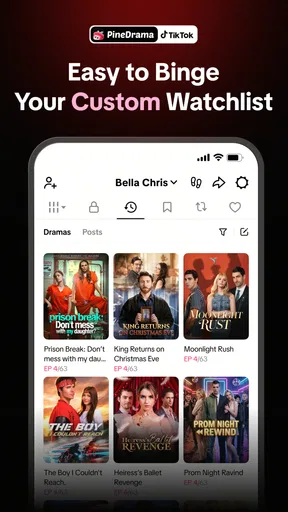
Navigation matters for people who tire quickly or find busy interfaces distracting. PineDrama’s single-minded focus on narrative viewing gives it a clearer purpose than a mixed-content social feed, but I would still take a moment to learn how the app presents its available stories and how to return to a series I have started. A simple personal routine helps: choose a title when I have time to browse, then open that same story when I want to watch, instead of making a new decision during every spare minute.
That approach also helps with attention. If I am easily pulled into recommendations or find rapid switching tiring, deciding on one drama in advance can turn the app into a planned viewing session rather than another open-ended scroll. I would not treat the short-episode format as a cure for distraction; the cliff-hanger structure can encourage exactly the opposite. Setting a stopping point before I begin is a small but realistic way to keep the app on my terms.
Motor and sensory needs in everyday use
Short dramas are a good match for someone who wants to watch without needing to type, comment, or create content. The core appeal is the story itself, which can make PineDrama feel less demanding than platforms where participation and constant interaction are part of the experience. For viewers with limited energy or dexterity, choosing a programme before settling in may reduce repeated browsing and unnecessary taps.
At the same time, I would not assume that a video-first app is automatically comfortable for every motor or sensory profile. If repeated touch gestures are difficult, or if fast-moving images, dramatic sound, or abrupt changes in mood are tiring, the best test is a short session with a title that seems manageable. I would stop if the pacing or presentation feels unpleasant rather than pushing through because the episodes are brief.
Sound can be a practical consideration in shared spaces. A viewer may prefer headphones on public transport or lower volume at home, while someone sensitive to audio may need a quieter setting. These are ordinary viewing choices, but they matter more when a story depends on spoken dialogue or shifts rapidly between scenes. If I cannot comfortably use audio, I would first check whether the particular viewing experience remains understandable to me without it rather than assuming every drama will be equally easy to follow.
Likewise, a phone held in one position for a long time can become uncomfortable even when the content is engaging. I find it sensible to prop the device securely, take a pause between episodes, and avoid watching while walking or doing anything that needs full attention. That advice is especially relevant to a format designed to make one more episode feel easy to fit in.
Where short dramas fit into a real day
A realistic use case is a commute with a few uninterrupted minutes, or a quiet break after lunch when I want a small piece of fiction rather than a long film. PineDrama’s format suits those moments better than a feature-length movie, because I can begin a story without having to reserve a large block of time. The catch is that interruptions can still matter: if I need to leave mid-episode, I may lose the thread, so I would start only when I can give the scene some attention.
It can also work as a low-effort evening choice when I know I want something scripted but do not want to browse a large catalogue of long programmes. Compared with mainstream streaming services, the short-drama approach puts less emphasis on settling in for a full-length film or multi-hour television session. Compared with general social-video apps, it offers a more narrative-minded reason to watch. Neither comparison makes it universally better: viewers who want documentaries, familiar long-running shows, creator clips, or a broad range of genres may be happier elsewhere.
For people with fluctuating energy, the small-episode format can make starting less intimidating. I might watch one instalment on a tiring day and leave the rest for later. But the same design can create pressure to continue when a plot is gripping. My practical suggestion is to decide whether I am watching one episode or a longer session before opening a series, then treat that boundary as part of the entertainment rather than a test of willpower.
Families should be especially thoughtful about shared viewing. The Teen rating gives a broad age cue, not a personal recommendation for every child, and story themes can land differently depending on age and sensitivity. I would preview a show together if I were unsure, and discuss whether its tone feels right. That is more reliable than relying only on a short description or assuming that short episodes are automatically lightweight.
Costs, trade-offs, and who may prefer another app
There is no charge to install PineDrama, which makes it easy to explore without paying upfront. In-app purchases range from $2.99 to $199.99 per item, so I would look carefully at the purchase screen before confirming anything and make sure I understand what a particular offer covers. The wide range is a reason to be deliberate, especially for anyone sharing a device or managing a family budget; free installation should not be confused with a promise that every viewing choice is free.
That distinction is important for viewers who want predictable spending. If I only want occasional entertainment and am comfortable checking costs as I go, the free entry point is appealing. If I strongly prefer a single, easy-to-budget subscription or do not want to encounter item purchases, I would compare the available options in the app store before making PineDrama part of my regular routine. I would not make a purchase simply to keep up with a story without first deciding that the expense is worthwhile to me.
The app is also not the right choice if I want to watch with a group around a television, search for a specific established series, or use video mainly for learning and practical information. Its value is clearest when I want compact, scripted entertainment on a personal device. Someone who prefers longer arcs with room for quiet scenes may find the pacing too compressed, while a viewer who dislikes cliff-hangers may find the episode structure frustrating rather than convenient.
People with visual, hearing, motor, or cognitive access needs should judge the experience by trying a small amount of content in their usual setup. I would not assume particular accessibility tools or controls without checking the current app on the device in question. That matters because comfort can depend on a specific drama’s editing, audio, text, and pacing as much as on the app itself. A brief trial is a more honest test than a broad promise that the format will work for everyone.
An inclusive verdict for the right kind of viewer
My overall view is that PineDrama has a clear and useful niche: it makes short scripted viewing the main event, which is appealing when I want a self-contained break that still has characters and a plot to follow. Its focused identity can reduce the effort of choosing what kind of entertainment I want, while its compact format fits around a busy day. The strongest reason to try it is not simply that episodes are short; it is that the app offers a different rhythm from both long-form streaming and an unpredictable social feed.
Its limitations are just as worth keeping in mind. A quick episode can turn into a longer session, some viewers will prefer the space and slower pacing of traditional television, and in-app purchases call for attention from anyone trying to control spending. For access needs, the experience depends on the person, device, viewing environment, and individual drama. I would start with a brief, low-pressure test and see whether the storytelling and presentation feel comfortable.
If you enjoy compact fiction and want something to watch during a genuine pause in your day, I think PineDrama is worth exploring. If you need a broad catalogue of conventional shows, strongly prefer predictable costs, or find fast-paced video uncomfortable, another entertainment option may suit you better. The app’s 4.6 average and more than 50 million installs show that many people have embraced its approach, but the best reason to keep it is whether its short stories fit your own attention, access needs, and everyday routine.
Pros and cons
Pros
- Short episodes fit easily into quick breaks
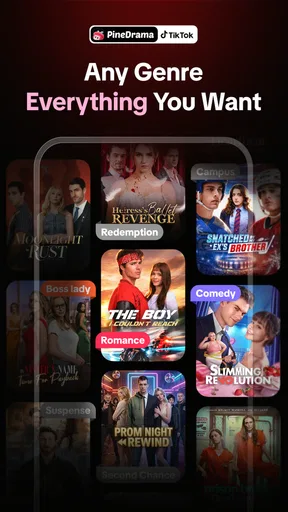
- A focused drama format makes stories easy to follow
- New titles can offer fresh viewing options
- The vertical layout suits one-handed phone use
- A convenient choice for viewers who prefer brief stories
Cons
- Some dramas may end on cliffhangers
- The short format can limit character development
- Content availability may vary by region
- Frequent viewing can use a noticeable amount of data
- Some features or titles may require payment


